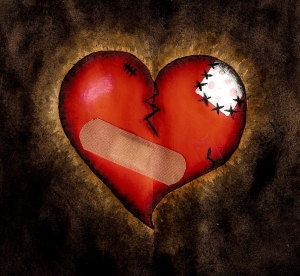
Suru
"Turha on syntyjä syviä hakea
Silloin kun murhe on musta ja makea
Vasta kun totuus on karvas ja kirkas
alkava on sun tietäjävirkas."
(Lauri Viita)
“There is no use searching for the deepest causes
when sorrow is dark and sweet.
Only when the truth turns bitter and clear
does your journey as a knower begin.”

Grief in Crisis: Processing and Supporting Emotions
When a person experiences a major loss or another life crisis, grief is a natural reaction. Grief can appear in many different ways, and the experience of grief is highly individual. It is important to remember that grief is a normal part of life and there is no reason to feel ashamed of it.
Different Phases of Grief
There is no single correct way to process grief, and grief does not always follow a predictable pattern. However, certain phases are often associated with the grieving process:
Shock
At first, a person may feel numbness or a sense of unreality.
Resistance or emotional reaction
Strong emotions may arise, such as anger, guilt, or anxiety.
Adaptation
Gradually, the person begins to accept what has happened and to find new meaning in life.
Symptoms of Grief
Grief can appear both as physical and psychological symptoms.
Physical symptoms may include fatigue, sleep difficulties, changes in appetite, and headaches.
Psychological symptoms may include sadness, crying, difficulty concentrating, and withdrawal from others.
Coping With Grief
Talking
It is important to talk about your feelings with family members, friends, or a professional.
Self-care
Make sure you get enough sleep, eat well, and stay physically active.
Remembering
Remember the person or the loss in a way that feels meaningful to you.
Professional help
If grief begins to interfere with everyday life, it may be helpful to seek professional support.
When to Seek Help
If grief continues for a long time and everyday life becomes difficult, it may be important to seek professional help. A psychotherapist, for example, can help you process your emotions and develop new coping strategies.
Prolonged or Complicated Grief: When Grief Becomes Overwhelming
Prolonged or pathological grief occurs when a normal grief reaction becomes so intense and long-lasting that it significantly interferes with daily life. It can feel like being lost in a deep ocean of sorrow where everything else disappears.
What if I feel stuck in the crisis?
Video:
https://www.youtube.com/watch?v=9PpMthgOgY8
How Does Complicated Grief Differ From Normal Grief?
Time
In normal grief, emotions gradually become less intense over time. In prolonged grief, the emotions may continue for years.
Intensity
The emotional pain remains extremely strong and overwhelming.
Functioning
Daily tasks become very difficult, and social relationships may suffer.
Thoughts
Thoughts revolve constantly around the loss, and the future may appear hopeless.
Why Does Complicated Grief Develop?
There may be many reasons, and they vary from person to person. Some risk factors include:
The nature of the loss
For example, the death of a child may increase the risk.
Personal traits
A tendency toward anxiety or depression may increase vulnerability.
Previous trauma
Earlier traumatic experiences, especially in childhood.
Lack of social support
If a person lacks supportive relationships, grief may become prolonged.
Symptoms of Complicated Grief
Intense emotions
Persistent sadness, longing, emptiness, anger, and guilt.
Physical symptoms
Insomnia, changes in appetite, fatigue, or chronic pain.
Thought patterns
Hopelessness, inability to feel joy, or thoughts of suicide.
Behavioral changes
Isolation, substance use, or risk-taking behaviors.
Treatment for Complicated Grief
Psychotherapy
Therapeutic conversations are the most important form of treatment.
Medication
Antidepressants may help reduce certain symptoms.
Support groups
Sharing experiences with others who have gone through similar losses can be comforting.
When Should You Seek Help?
If grief significantly interferes with everyday life and functioning, it is important to seek professional evaluation. The earlier treatment begins, the better the outlook for recovery.
Remember: prolonged grief is a serious condition, but recovery is possible.
Do not remain alone with your grief.
Additional Information
Mental Health House (Finland):
https://www.mielenterveystalo.fi/fi/kriisi-trauma/suru-laheisen-kuollessa
MIELI Mental Health Finland:
https://mieli.fi/vaikea-elamantilanne/shokista-uuteen-alkuun/
Support for relationship loss:
https://omahelpperi.fi/tietoa-nuorille/ihmissuhteet-ja-tunteet/miten-selvita-ihmissuhteen-paattymisesta
Further Reading
https://kotiliesi.fi/terveys/parisuhde-ja-seksi/erosta-toipuminen/
The most important thing to remember is that you are not alone in your grief. Support is available whenever you need it.